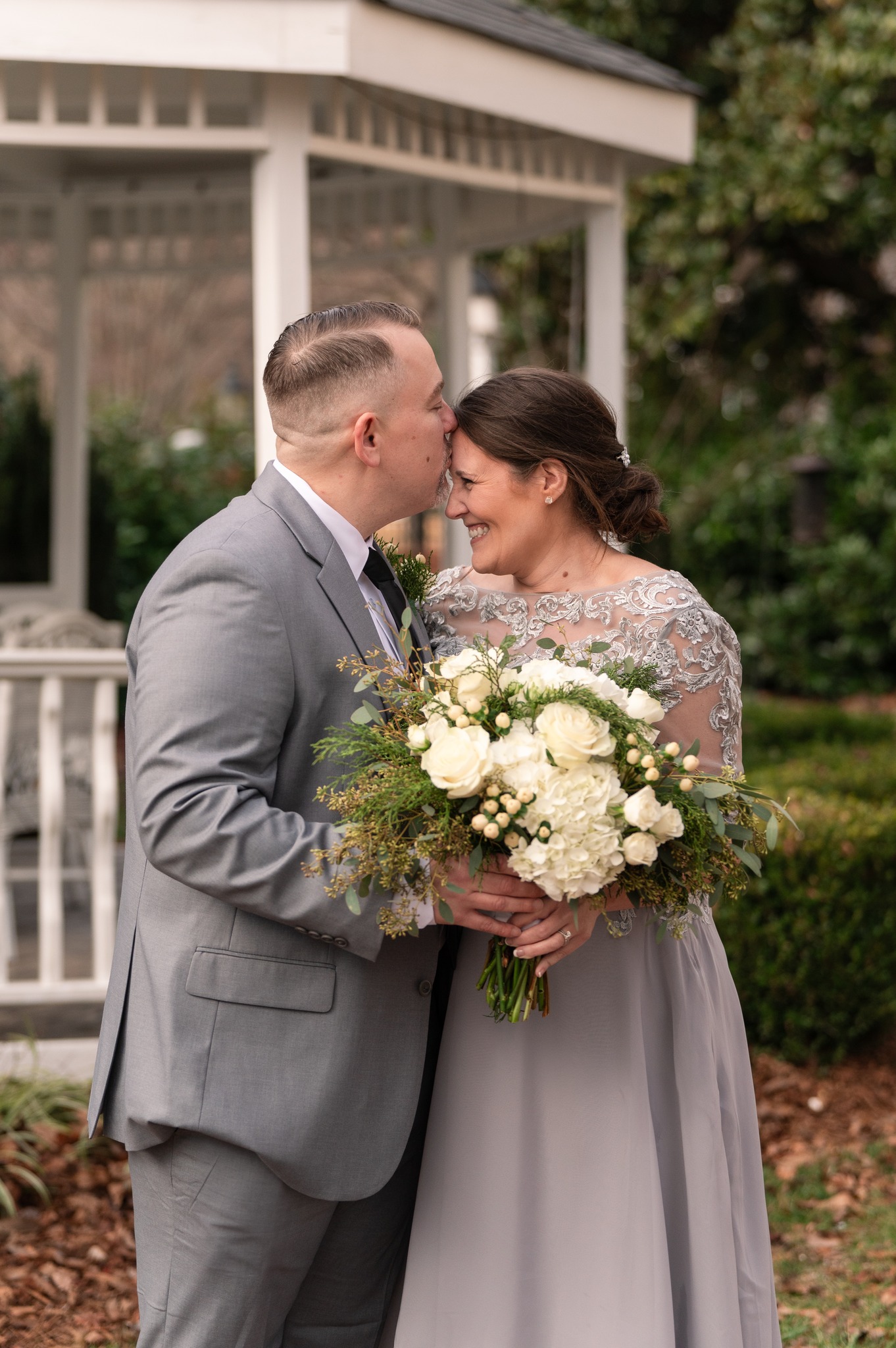
Monica Winters
Wedding client
“They accepted a two-month turnaround and everything went perfectly.”
Great proof for couples with compressed timelines who need a venue that reduces workload instead of adding homework.
A micro wedding is not a discount wedding. It is a tiny wedding with very normal-sized opinions.
This guide helps couples decide whether they need a tiny ceremony path, a fuller all-inclusive package, or something in between.

Under 100 guests can still feel full, warm, and wildly personal. Small does not mean “ceremony with a coupon code.”
Harmon House official website image
Are we trying to simplify the guest count, the budget, the planning process, or all three?
Harmon House offers a Minimony path and all-inclusive package paths, which makes it useful for couples still deciding how large the wedding should feel.
| Cost category | Why it matters | What to ask |
|---|---|---|
| Guest-count add-ons | Packages built around 65 guests can be a smart fit, but couples need to understand what happens from guest 66 to guest 105. | What changes after 35 guests, and where do add-on costs begin? |
| Venue base price | The starting number matters, but it can hide whether the couple still has to buy the wedding around it. | What does the venue price include before we add food, vendors, rentals, and staffing? |
| Photography coverage and confidence | Small weddings are not low-emotion weddings. Couples still need the day documented well. | Is photography included, upgraded, limited, or selected separately? |
| Catering and service structure | Food pricing, staffing, rentals, and timing can change the real cost faster than the venue fee does. | Is catering included, and what happens if our guest count changes? |
| Coordination and day-of management | Someone still has to make the day work while the couple is busy getting married. | Who is responsible for setup, timeline, vendor communication, and cleanup? |
A micro wedding can be intimate, efficient, and beautiful. It should not feel like a full wedding got sent through a shrink ray by accident.
Do not accept “package” as an answer by itself. Ask which vendors, rentals, staffing, setup, cleanup, tableware, and planning tools are included versus optional.
A $750 ceremony package and an all-inclusive 65-guest package are different products. Compare the full event you want, not just the smallest number on the page.
For Harmon House-style packages, pay attention to the base guest count and what changes when you add people. Guest 66 can be adorable. Guest 66 can also cost money.
If you would rather spend six weekends finding vendors, DIY can work. If that sentence made your soul leave your body, bundled support has value.
Harmon House is not just selling access to a pretty historic house. The strongest value case is the bundle: a downtown Kernersville venue, all-inclusive package paths, professional vendor categories, BOSS Wedding Planning Software, wedding-day suites, and the Day of Interviews process that lets couples meet associated vendors in one planning day.
That matters most for couples who want the day to feel charming and organized without becoming the CEO of a temporary wedding company.
When another option looks cheaper, ask what is missing. If the answer is catering, music, photography, rentals, linens, tableware, coordination, setup, cleanup, and a plan for rain, congratulations: you did not find a cheaper wedding. You found a wedding kit that requires assembly.

A smaller wedding still deserves real emotion, not “we saved money so everyone stare at a folding chair.”
Harmon House official website image
Budget pages should not only talk about dollars. They should show why couples value coordination, food, timelines, vendor support, and a venue team that does not vanish like a groomsman during cleanup.
Wedding client
“They accepted a two-month turnaround and everything went perfectly.”
Great proof for couples with compressed timelines who need a venue that reduces workload instead of adding homework.
Wedding client
“Best experience of my life. Dave coordinated the rain plan and knew exactly what to do.”
Useful proof for couples worried about weather, coordination, and whether an all-inclusive team actually shows up when the day gets dramatic.
Wedding client
“100% recommend Harmon House. The Day of Interviews, communication, timeline, and food stood out.”
This supports the budget argument that included planning systems can be worth real money, because less chaos is also a line item.
This section ships with static fallback content from the Harmon House blog page, then tries to refresh itself from the live blog when the pages are served from the same site. In plain English: update the blog, and this little gossip goblin can show newer blog headings without rebuilding the whole generator.
A soft blog-feed entry for couples who want to see the people, planning, and little details behind the venue instead of only package math.
The blog page reiterates that visits are private and by appointment, which supports the sales story: quality over quantity, not a wedding-venue speed date.
A natural next read for budget shoppers because this is where the all-inclusive planning value becomes visible instead of theoretical.
Fallback copy currently reflects the live blog page language: “Follow along for some Behind the Scenes” plus the appointment-only private-tour message.
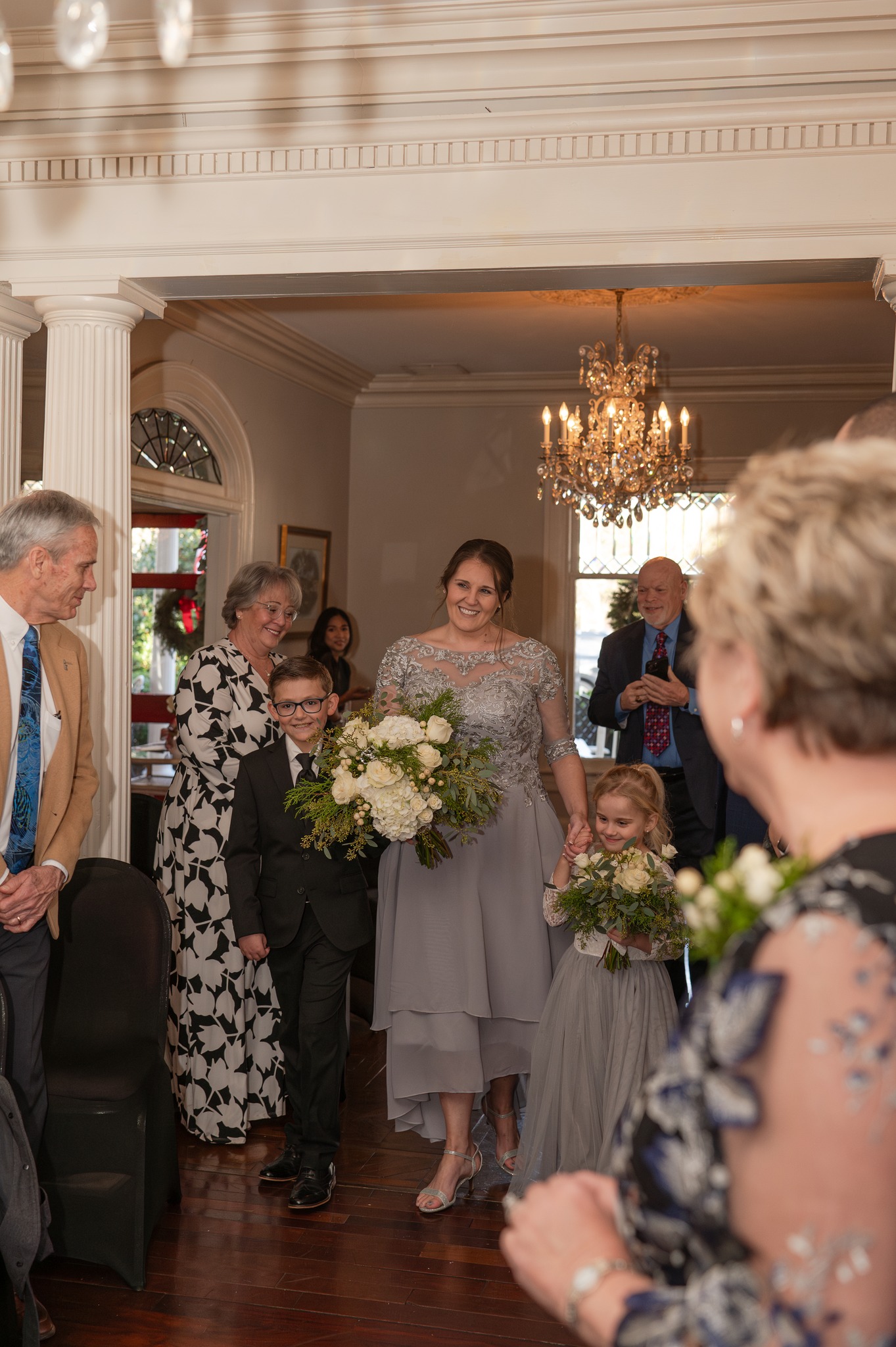
A micro wedding usually focuses on a smaller guest count and simpler event scope, while a traditional package supports a fuller reception and broader vendor needs.
Choose a fuller package when you want dinner, dancing, vendor support, and a larger guest experience rather than just a ceremony-centered celebration.
Yes. Harmon House states that tours are private and by appointment only, and a tour is the easiest way to confirm fit, flow, and package expectations.
Harmon House indicates flexibility is possible, but couples should confirm vendor rules, paperwork, insurance expectations, and package changes directly before booking.